
How to Lower Your Electric Bill in the Winter by Going Solar
How to Lower Your Electric Bill in the Winter by Going Solar
Winter is when many homeowners see their electric bill climb. Heating systems run longer, lights come on earlier in the day, and families spend more time inside using appliances and electronics. Even if your routine stays the same, your home naturally uses more electricity as temperatures drop, which often leads to higher heating bills as systems work harder to maintain indoor comfort.
Energy bills often seem to rise for reasons that feel outside of your control, especially when your home relies on electric heat and increased indoor activity. Solar and battery storage offer steady, year-round support that becomes increasingly valuable when your home is using more electricity than normal. For homeowners wondering how to save on their electric bill in winter, reducing reliance on the grid during peak seasonal usage can make a noticeable difference.
Why Winter Energy Bills Rise
Many homeowners ask, why is my electric bill so high in the winter, especially when their habits have not changed significantly from other seasons?
When winter settles in, the way a home uses electricity shifts in ways that are easy to overlook. Heating systems click on more often as the temperature drops, sometimes starting earlier in the morning and running later into the night. Cold air moves through older windows and doors more quickly, so the system works a little harder to keep things comfortable, increasing overall energy consumption.
The rhythm of daily life changes too. Shorter days bring lights on earlier, and more time is spent indoors. Kitchens stay busy with cooking and warm meals. Hot water gets used more often. Humidifiers and comfort devices run in the background. Electronics, televisions, and home activities fill the darker evenings. None of these changes feel dramatic on their own, but together they slowly build into a higher level of energy usage.
By the time the bill arrives, it reflects not just colder weather, but the way everyday routines stretch a home’s energy needs during the winter months.
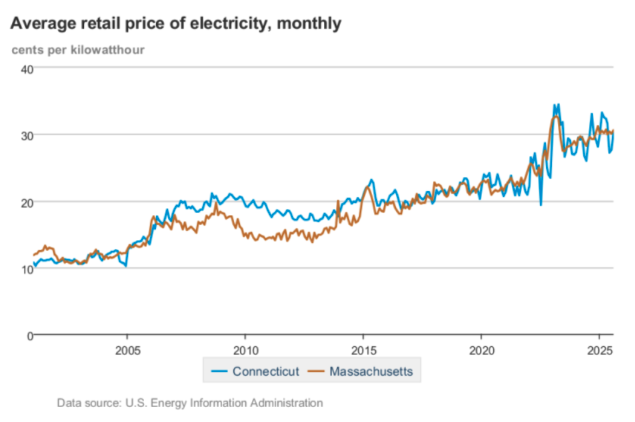
As electricity use rises in the winter, long-term price trends make the impact even more noticeable. In states like Connecticut and Massachusetts, residential rates have steadily increased over the past two decades, which means higher seasonal usage lands on top of an already elevated cost per kilowatt-hour. This combination is why electricity bills often feel especially steep during colder months. The chart below shows how those rates have climbed over time.
How Solar Helps Reduce Winter Electricity Costs
Residential solar panels help lower winter electricity costs in a straightforward way. The energy your system produces is used in your home first, which means fewer kilowatt-hours are purchased from the utility at a time when your usage is naturally higher. You are going to run your heat, cook more meals, and rely on appliances during the colder months regardless, so having part of that electricity generated on your own roof reduces the amount billed to you. This approach is one of the most effective ways to lower your electric bill during the winter without changing daily routines or comfort levels.
Many systems also create bill credits during sunnier times of the year. These credits appear on your electric bill and remain there until they are used. When your home needs more electricity in the winter, the credits you accumulated earlier help cover part of that usage, which can prevent the seasonal increase from being as steep.
Solar also continues to produce energy in the winter, which is something many people do not realize. Shorter days may reduce overall output, but the system still contributes to the power your home uses each day. While production is lower than in summer, solar energy in winter still contributes meaningful power that offsets daily electricity use. Even modest winter generation helps offset usage, and when combined with accumulated credits, it supports your home during a season when electricity needs tend to rise and helps create long-term energy savings.
Together, these factors make solar a practical tool for managing winter energy costs. You use less electricity from the grid, you carry credits into the months when you need them most, and your system continues producing power even when the weather turns colder.
Why Is Battery Storage Necessary In The Winter
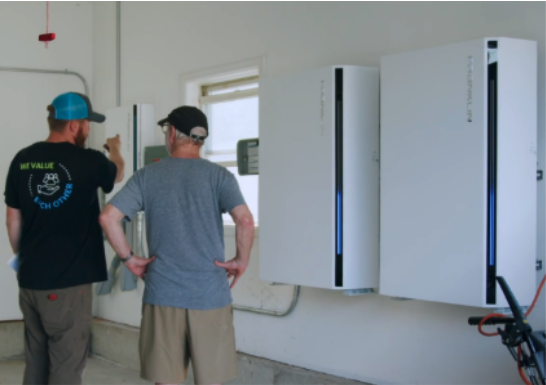
A solar battery, like a Tesla Powerwall or FranklinWH adds strength to a solar system by storing energy that can be used whenever your home needs it. During the winter, when daylight is limited and families spend more time indoors, having stored power available helps reduce how much electricity you pull from the grid. This simple shift can make day-to-day energy use more manageable throughout the season.
Batteries also serve an important role when winter weather affects the grid. If an outage occurs, stored energy keeps essential parts of your home running until utility power returns. Heating equipment, lights, and key appliances can stay operational, which helps maintain comfort and safety during colder conditions.
Pairing a battery with solar gives your home more flexibility, resiliency, and control over how it uses electricity. You have access to stored energy when sunlight is limited, and you have backup power when the grid is disrupted. It is a practical way to support your home through the unique demands of the winter months.
The Takeaway
Winter places extra demands on every home, from longer heating cycles to increased time spent indoors. Solar and battery storage offer practical support during these months by helping reduce the amount of electricity you need to buy from the utility and providing backup power when the grid is interrupted. Together, they create a more reliable and predictable energy plan for a season that often brings higher usage.
Curious to learn more about how solar works throughout the year? Explore our full blog library for clear, homeowner-friendly guides that help you understand your energy options. Or, reach out to us today to learn more about how much you can save by going solar!