

What Does a Turnkey Commercial Solar Partner Do? Inside Earthlight's Process
Earthlight Technologies • October 21, 2026
Commercial solar projects involve many moving parts, from early feasibility studies to engineering, permitting, construction, utility approvals, and long-term system performance. For a business owner or facility manager, keeping all of those pieces connected can feel like a second job. That is why many organizations look for a turnkey commercial solar partner.
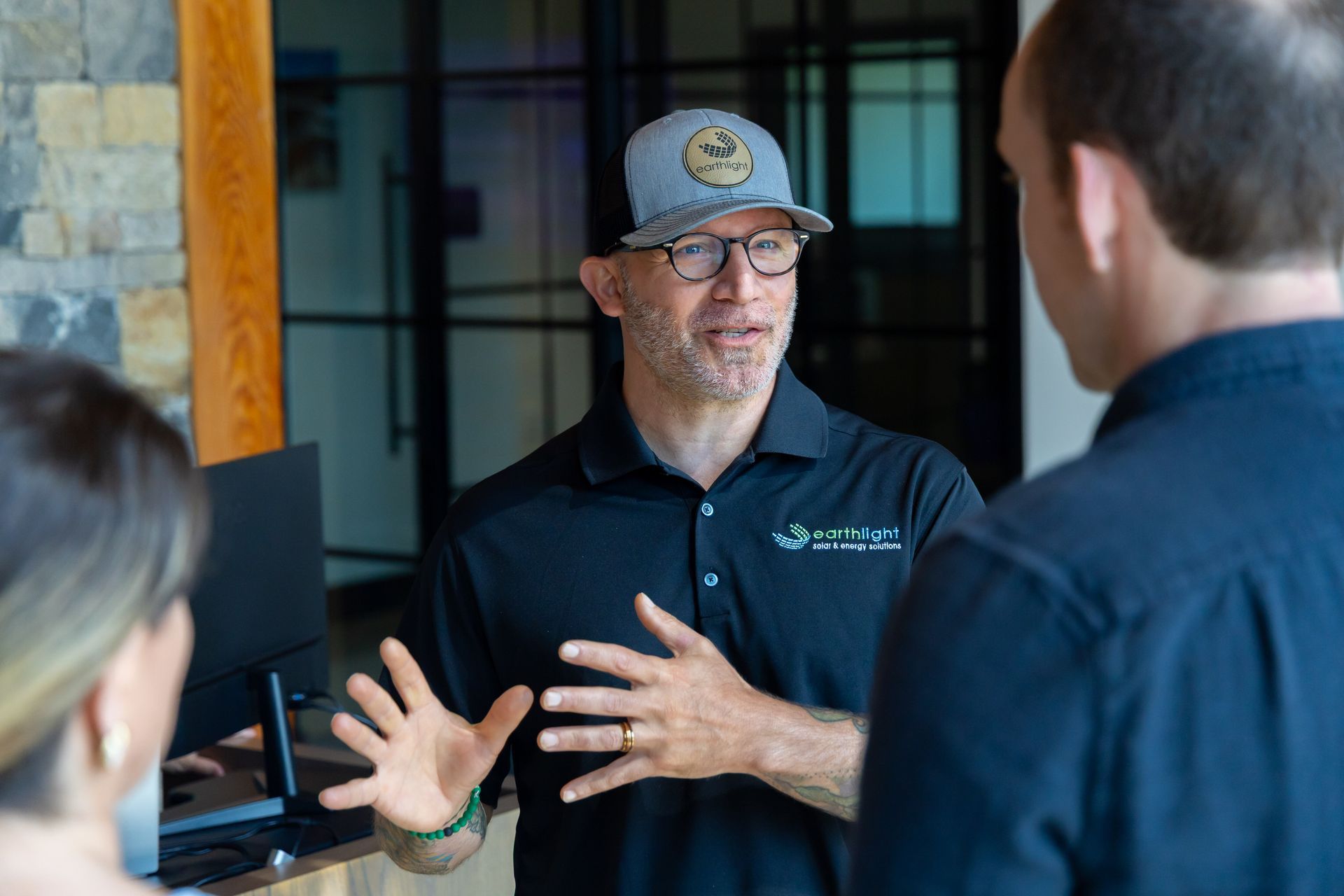
In the video above, Justin Daigle, Director of Commercial Construction at Earthlight Technologies, explains what turnkey means at Earthlight: one team that takes a project from start to finish and stays accountable long after the system is turned on. Below, we break down each stage of the process and what it means for your organization.
What Does Turnkey Commercial Solar Mean?
A turnkey commercial solar partner manages the entire project so the customer does not have to coordinate separate designers, engineers, contractors, and utility paperwork. When the work is complete, the system is ready to operate, and the customer has one point of accountability for the results.
As Justin puts it in the video, Earthlight's commercial team plans to own the project during the install and after the install. All design, installation, and service work is completed by Earthlight employees rather than subcontractors, which keeps quality and communication in one place.
Earthlight's Commercial Solar Process, Start to Finish
Justin outlines the stages Earthlight's commercial construction team manages on every project:
- Feasibility: Evaluating the site, roof or ground space, energy use, and goals to determine whether solar makes sense and how a system could be sized.
- Pre-construction and engineering: Designing the system, completing structural and electrical engineering, and preparing permit documents.
- Construction: Installing the system with Earthlight's in-house crews, with attention to safety and quality.
- Inspections and closeout: Finalizing inspections and completing utility closeout, including incentive paperwork.
- System activation: Turning the system on and confirming it is performing as designed.
- Operations and service: Operating and maintaining the system for customers to help protect long-term performance.
Why One Partner Matters for Commercial Projects
Commercial solar systems are significant investments that sit on a building or property for decades. When responsibility is split across multiple vendors, small gaps in communication can lead to delays, missed incentive deadlines, or questions about who is responsible when something needs attention.
With a turnkey partner, the same organization that studied the site and engineered the system also handles the utility process and ongoing service. Justin describes the goal simply: make sure customers have a superior, high-quality product that will be on their roof for a long period of time. Earthlight backs that with a dedicated service department for maintenance and monitoring after installation.
Questions to Ask Before Choosing a Commercial Solar Company
Before signing with any commercial installer, it helps to understand how the project will be managed. Ask whether the company uses its own crews or subcontractors, who handles utility interconnection and incentive paperwork, and what support looks like after the system is turned on. For more guidance, read our list of the top questions to ask your commercial solar contractor and learn what factors into the cost of commercial solar.
Who Earthlight's Commercial Team Serves
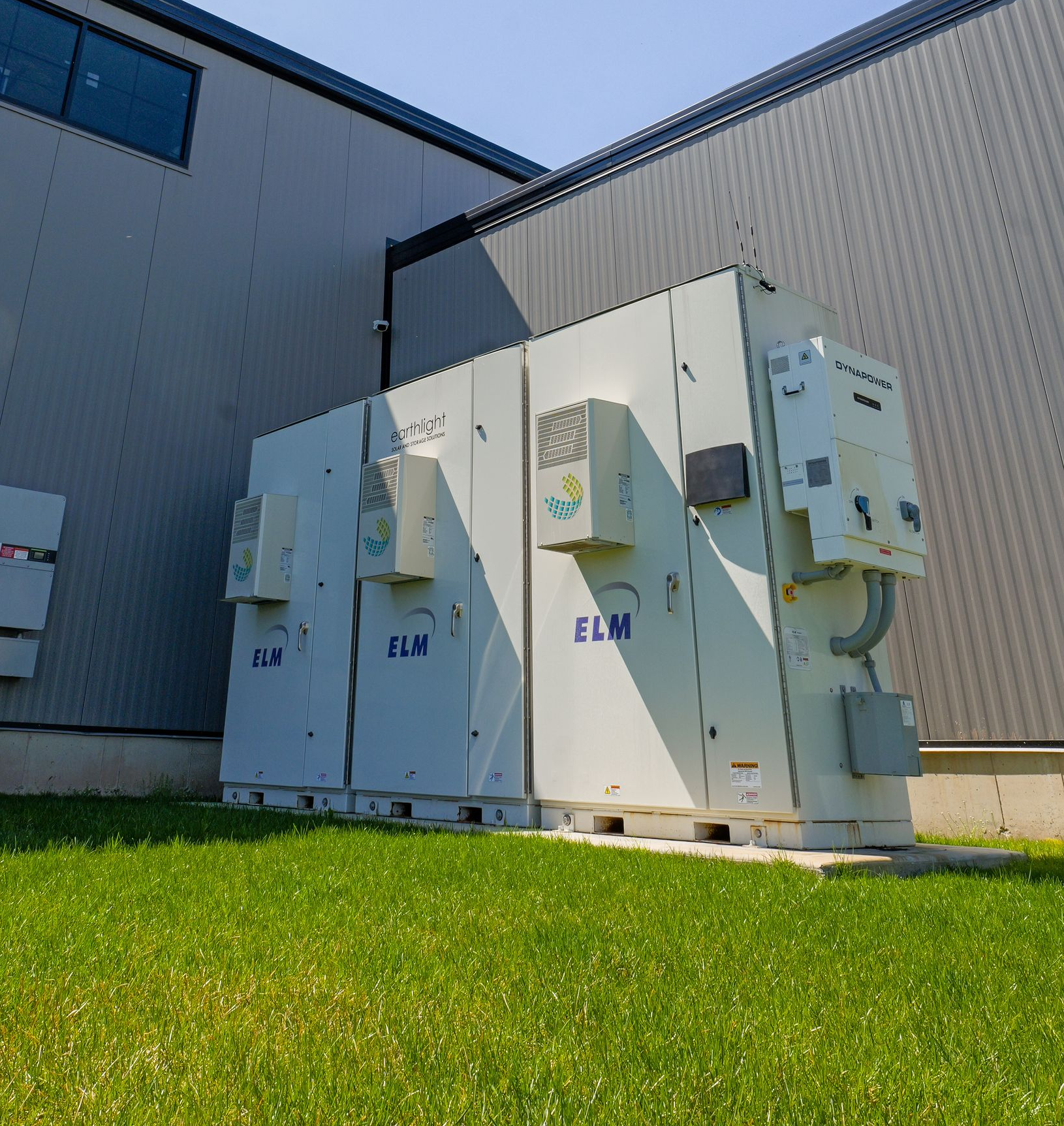
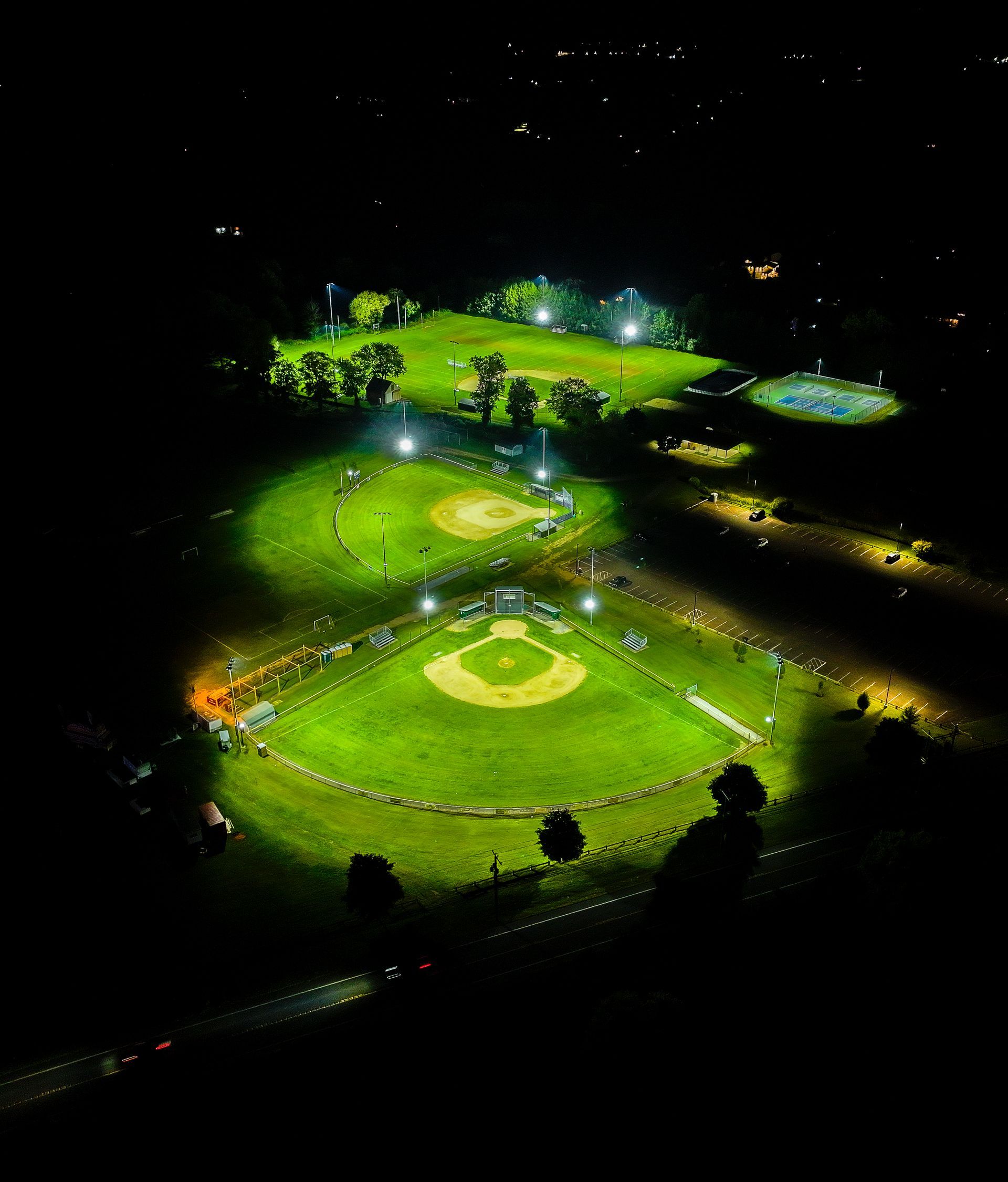
Earthlight's commercial solar team works with businesses, schools, municipalities, nonprofits, and property owners in Connecticut, Massachusetts, Rhode Island, eastern New York, and Oregon. Beyond solar, Earthlight also offers battery storage, commercial energy efficiency upgrades, and LED sports lighting, so organizations can plan multiple energy projects with one company. Property owners exploring other options can also learn about leasing roof space for commercial solar.
Frequently Asked Questions
How much does commercial solar cost?
Commercial solar costs vary widely because every system is designed around the property’s size, energy use, and site conditions. Key factors include system size, roof or ground-mount design, equipment, structural or electrical upgrades, and available incentives. A small business rooftop system and a large multi-building project can look very different on paper. A feasibility review from Earthlight gives you a cost estimate based on your actual property. You can also read more about what factors into the cost of commercial solar.
Is commercial solar worth it for a small business?
Commercial solar can be worth it for many small businesses, especially those with steady daytime energy use and suitable roof or land space. Solar can reduce dependence on rising utility costs and make long-term energy expenses more predictable. Whether it makes financial sense depends on your energy bills, available incentives, financing approach, and how long you plan to own or occupy the property. A feasibility study is the clearest way to see whether the numbers work for your business.
Is my building’s roof good enough for commercial solar panels?
Many commercial roofs can support solar, but the roof’s age, condition, and structure need to be evaluated first. Engineers review whether the roof can handle the added weight and how much life it has left. If a roof will need replacement soon, it is usually smarter to address that before installing solar. Earthlight’s feasibility and engineering process includes this review. When a roof is not the right fit, a ground-mount system or solar carport may be an option.
What financing options are available for commercial solar?
Businesses can typically choose between purchasing a system outright, leasing, or entering a power purchase agreement, depending on eligibility. Each option affects upfront cost, ownership, and long-term savings differently. In Connecticut, Earthlight is also an Advanced C-PACE contractor, which can help qualifying property owners finance energy improvements. Property owners with unused roof space may also consider leasing that space for solar. Earthlight’s team can walk through which path best fits your organization’s goals.
Will a solar installation disrupt my business operations?
Most commercial solar installations can be completed with limited disruption to day-to-day operations. Much of the work happens on the roof or in a designated ground area, and crews coordinate access, staging, and safety with the property owner in advance. The electrical tie-in may require a short, planned power shutoff, which can usually be scheduled for a low-impact time. A turnkey partner manages this coordination so your team can keep working while the project moves forward.
Talk With Earthlight's Commercial Team
Have a commercial property or an upcoming project? Earthlight's commercial team can help you understand what solar could look like for your organization, from feasibility through long-term service. Explore commercial solar, contact Earthlight, or call (860) 871-9700 to start the conversation.