

What a Quality Solar Installation Looks Like: Inside an Earthlight Crew
Earthlight Technologies • October 21, 2026
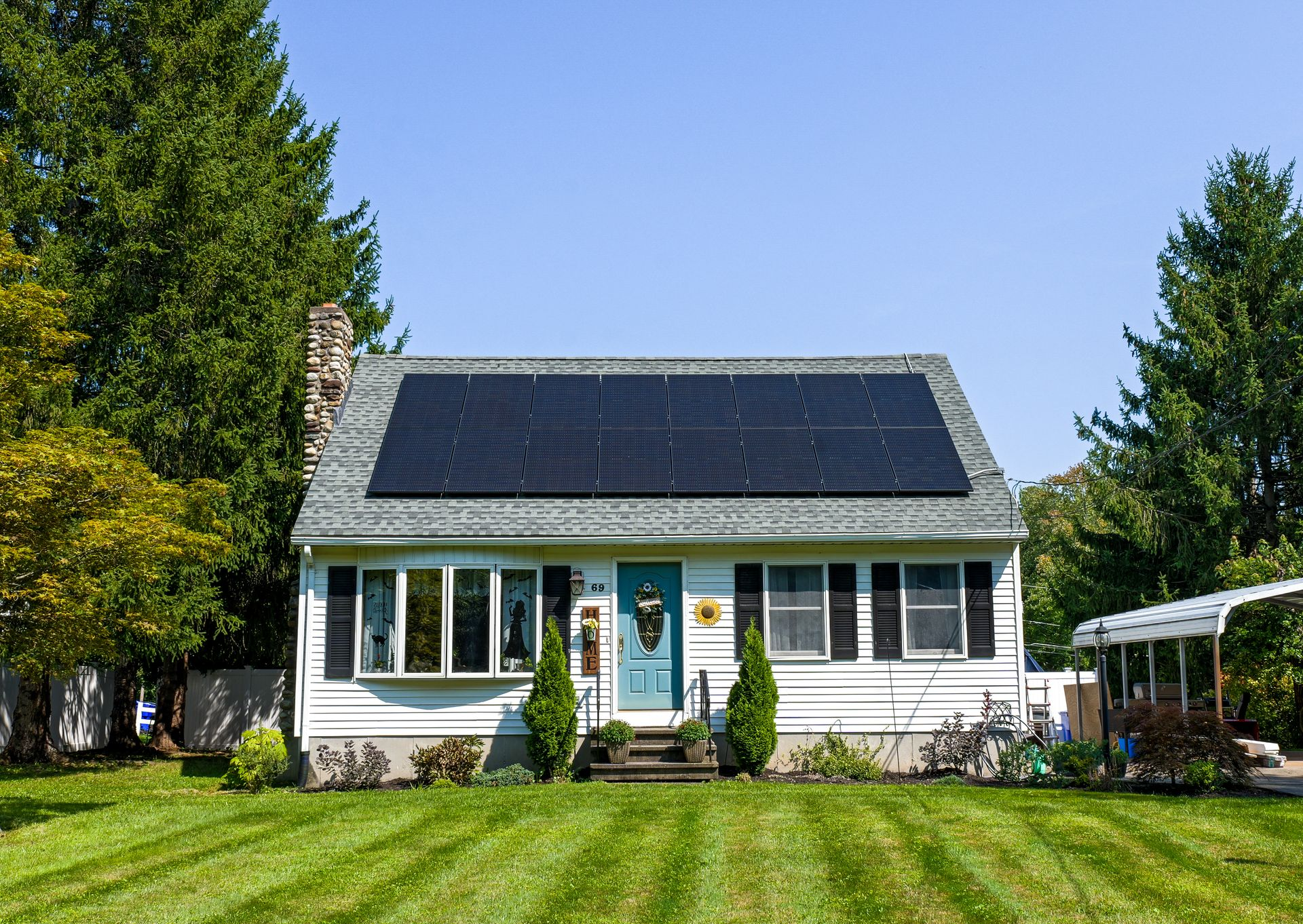
Not every solar installation is completed to the same standard. The measurements, panel placement, alignment, wiring, and finishing details all affect how a system looks and performs for years to come. Those details are decided on the roof, by the crew doing the work.
In the video above, Earthlight Technologies residential foreman Johnny and residential installer Dave give a look at what goes into a quality solar installation. Below, we cover what they do on a typical job, the extra work some homes need, and why consistent standards matter for homeowners.
Meet the Crew Behind the Install
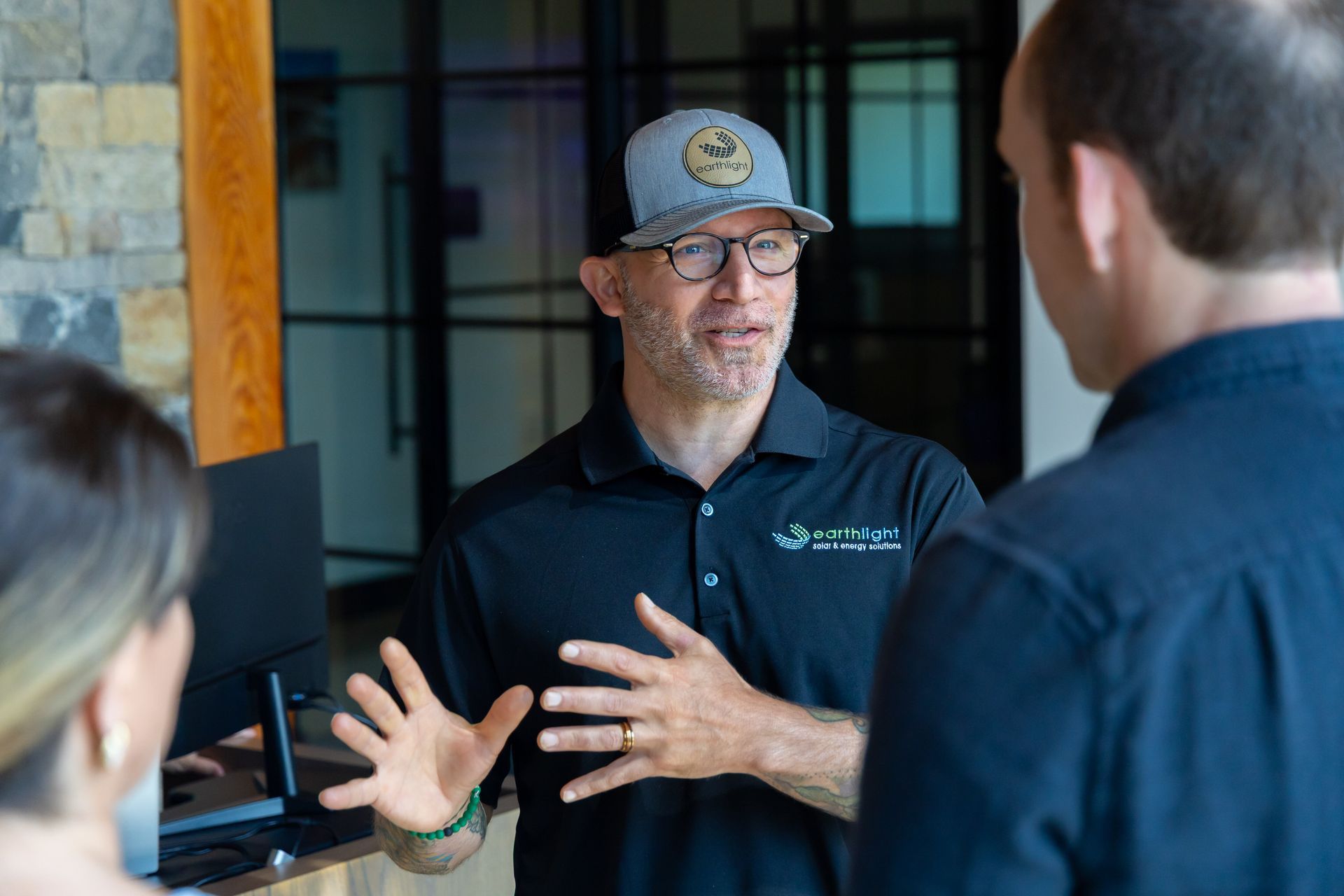
Johnny is one of Earthlight's residential foremen, and Dave is a residential installer. As Johnny describes it, solar is a unique trade and a learning experience for many people who join it. The work is hands-on, and so is the training.
At Earthlight, every installation is completed by Earthlight employees rather than subcontractors. That means the crew on your roof is trained by the same company that designed your system and will service it in the future.
Precision at Every Step
Johnny walks through the core steps of a residential install in the video:
- Prepare the roof: In colder months, that starts with clearing snow so the crew can work safely.
- Measure and mark: The crew marks where each panel will go and locates the rafters underneath.
- Set the mounts: Mounting feet are secured into the rafters for a strong, stable base.
- Install rails and microinverters: Rails go on next, followed by the microinverters that convert each panel's power.
- Wire and set panels: Once everything is wired, the crew installs the panels, or as Johnny puts it, starts laying glass.
Dave adds that good installers are always thinking about the next step rather than only the task in front of them. That kind of planning keeps a job organized and helps avoid mistakes. For a closer look at how mounts are sealed to protect your roof, read how solar panels attach to the roof.
Structural Upgrades and Every Type of Install
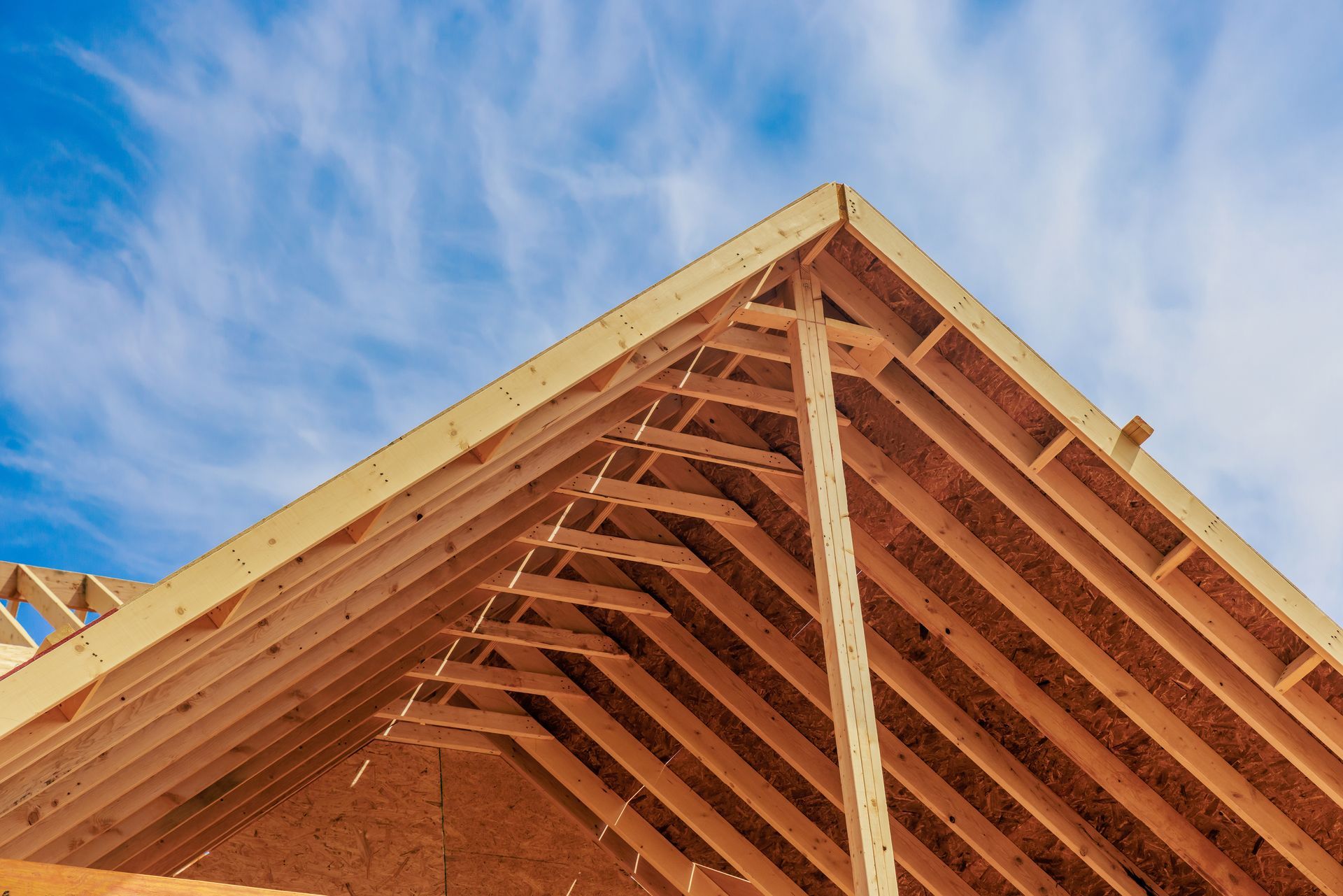
Not every home is ready for solar as is. In the video, Johnny mentions a recent job that included a structural upgrade in the attic, adding 2x6 lumber to strengthen the rafters before installation. Upgrades like this help make sure the roof can safely support the system for the long term.
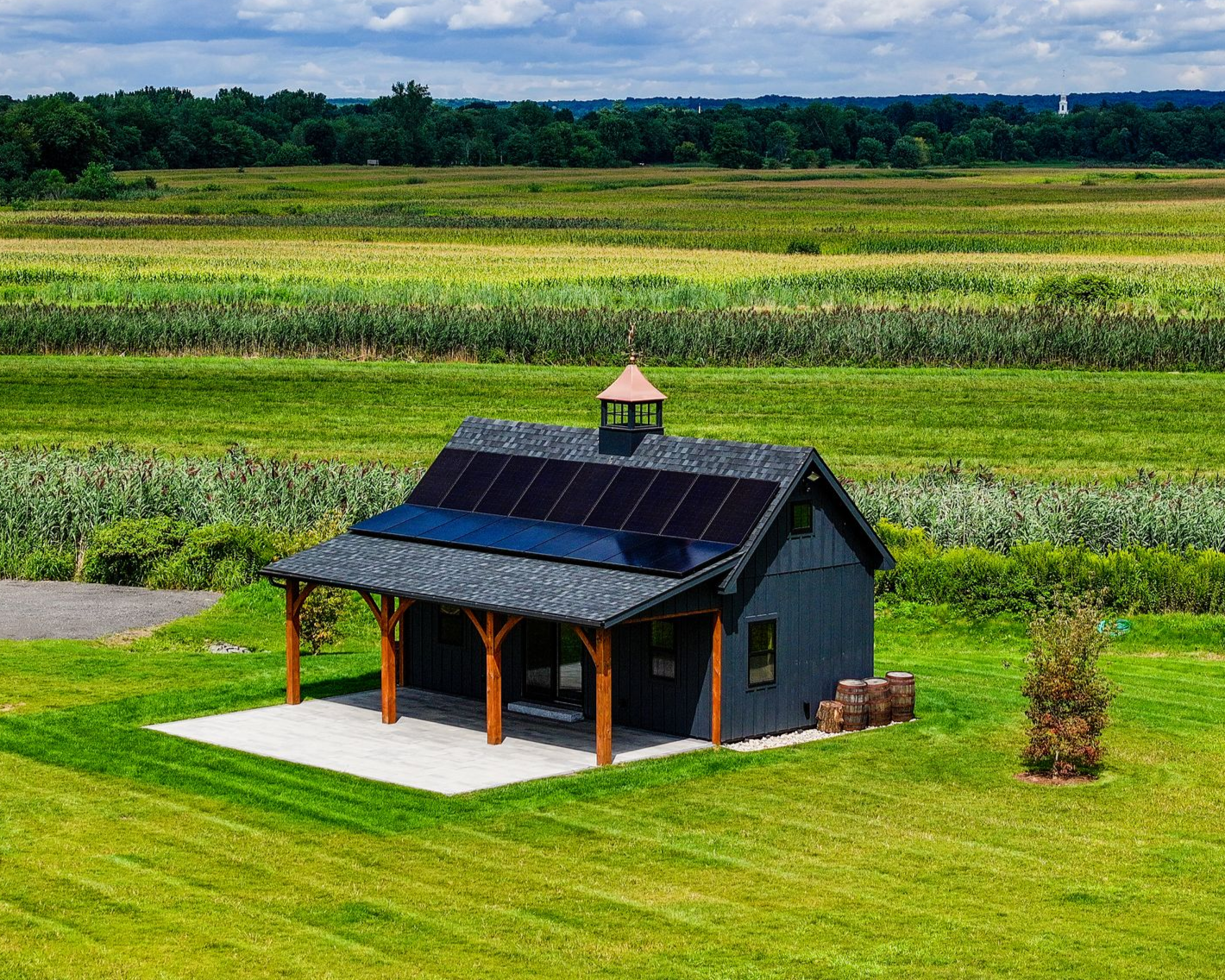
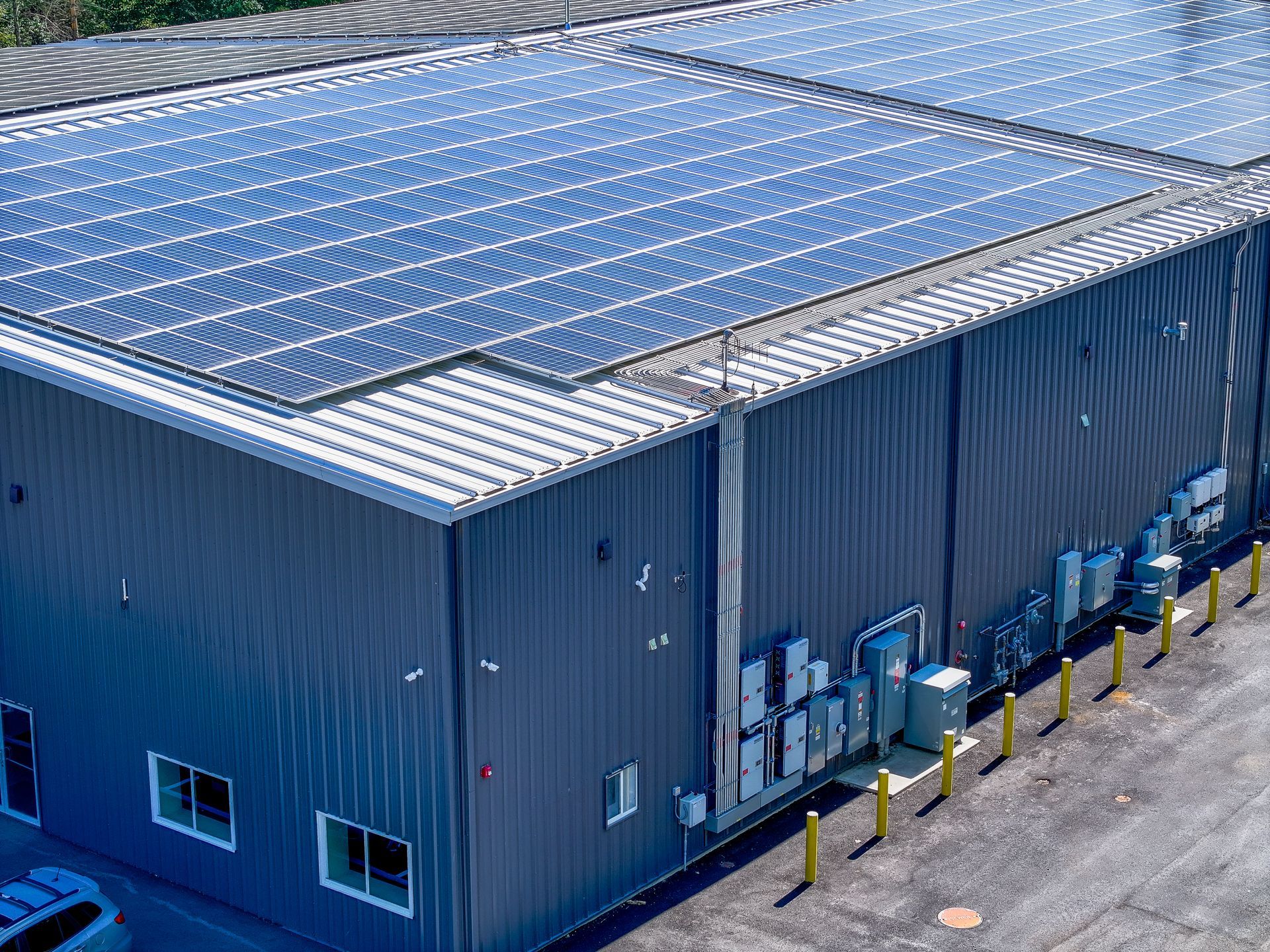
Earthlight's crews also install ground-mount systems, work on many different residential roof types, and support commercial projects when needed. That range of experience helps the team handle the unique conditions each property brings.
Why High Standards Matter
According to Johnny, the hardest part of the job is consistently maintaining a high quality standard, and it is something the Earthlight team works to do on every install. He also notes that Earthlight installs what the team considers a premium product.
For homeowners, installation quality affects more than appearance. Careful layout, secure mounting, and clean wiring all play a role in system performance, roof protection, and how easily the system can be serviced later. If you are comparing installers, it is worth asking who will do the work and what standards they follow. Our guide on why you should hire professional solar installers covers more.
Frequently Asked Questions
Do I need to be home during my solar installation?
You usually do not need to be home for the entire solar installation, but someone may need to be available at certain points. Crews often need access to your electrical panel, attic, or garage, and they may need to briefly shut off power for the final electrical connection. Your installer will let you know ahead of time when access is needed. Earthlight’s team coordinates the schedule with homeowners so installation day runs smoothly whether you are home or not.
Will solar installers need to go into my attic?
Solar installers sometimes need to go into your attic, especially to confirm rafter locations or complete structural work. Attic access helps crews verify that mounts are secured into solid framing. If a structural upgrade is required, such as adding lumber to existing rafters, that work is done from inside the attic. Your installer should tell you in advance whether attic access is needed, so you can clear a path and make sure the access point is reachable.
How do I know if my roof can support solar panels?
The best way to know if your roof can support solar panels is a professional site inspection and engineering review. Installers look at your roof’s age, condition, framing, and pitch to confirm it can safely carry the added weight. Many roofs are suitable as is, while some need a structural upgrade or roof replacement first. If your roof is near the end of its life, it is usually smarter to replace it before installing solar to avoid removing panels later.
How should I prepare my home for solar installation day?
To prepare for solar installation day, clear your driveway so the crew can park and stage equipment near your home. Make sure there is easy access to your electrical panel, attic, and any areas the installer mentioned in advance. Move vehicles, outdoor furniture, or decorations away from the work area, and keep pets indoors or secured. If you have questions about the schedule or what to expect, ask your installer before the crew arrives.
Is solar installation noisy or messy?
Solar installation involves some noise, but it is usually limited to the work hours and is less disruptive than many home projects. You may hear drilling, foot traffic on the roof, and equipment being moved. A professional crew works to keep the site organized and cleans up debris when the job is done. Earthlight’s in-house crews follow consistent standards for both the installation and the jobsite, so your home and yard are left in good shape.
See the Earthlight Difference on Your Roof
If you are considering solar, Earthlight's team can walk you through how your system would be designed and installed. Explore residential solar, view completed projects in our installation portfolio, or contact Earthlight and call (860) 871-9700 to get started.