

Winter Outages Are Coming: Is Your Home Battery-Ready?
Earthlight Technologies • August 7, 2026
Winter weather advisories are becoming a familiar sight across New England, and with them comes an uncomfortable reality: the power grid doesn't always hold up. Downed lines, overloaded circuits, and ice-covered equipment can leave homes in the dark for hours or days at exactly the moment you need heat, light, and a working refrigerator the most.
Since 2008, Earthlight has helped more than 5,000 families across Connecticut, Massachusetts, and Oregon build whole-home energy solutions that keep them running when the grid doesn't. Below, we break down how battery storage delivers real energy independence — not just during outages, but every single day.
Why Winter Is When Battery Storage Proves Its Worth
Winter storms put a uniquely heavy strain on the New England grid. Ice accumulation on power lines, high winds knocking down branches, and spiking demand from electric heating systems all combine to make winter outages both more likely and more disruptive than outages at other times of year. Losing power in July is an inconvenience. Losing power in a January nor'easter, with a home that depends on electricity to run its heating system, can quickly become a safety issue.
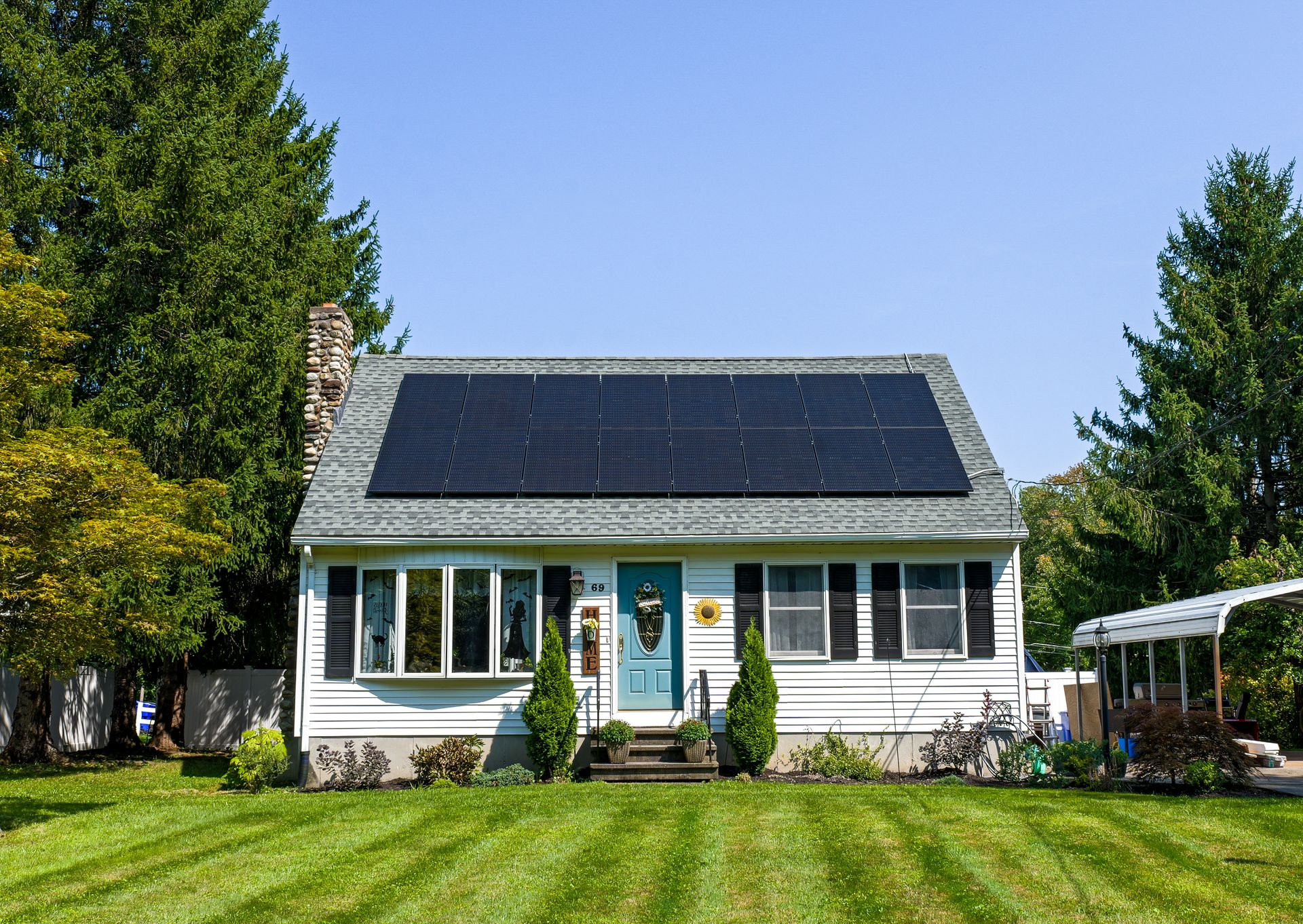
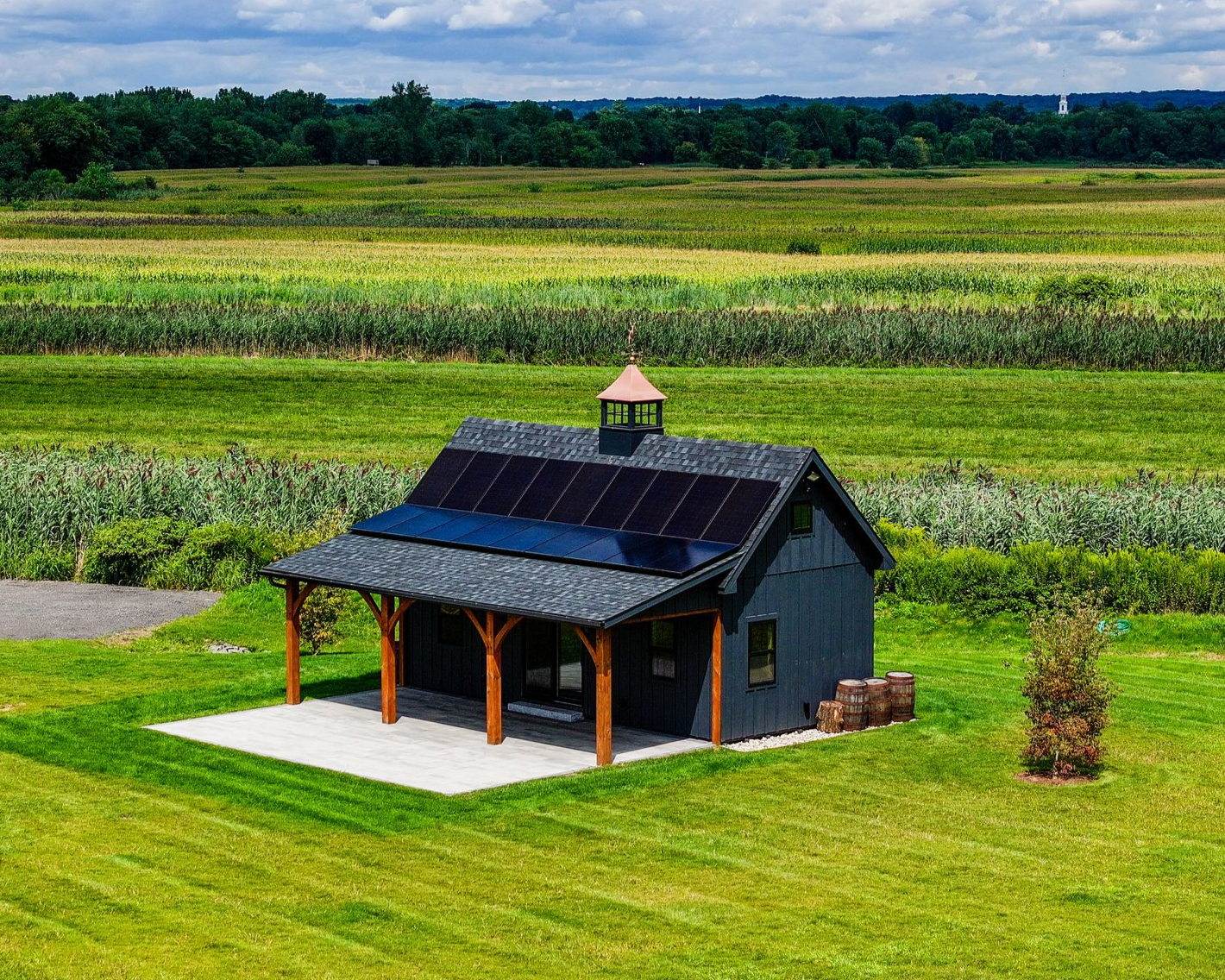
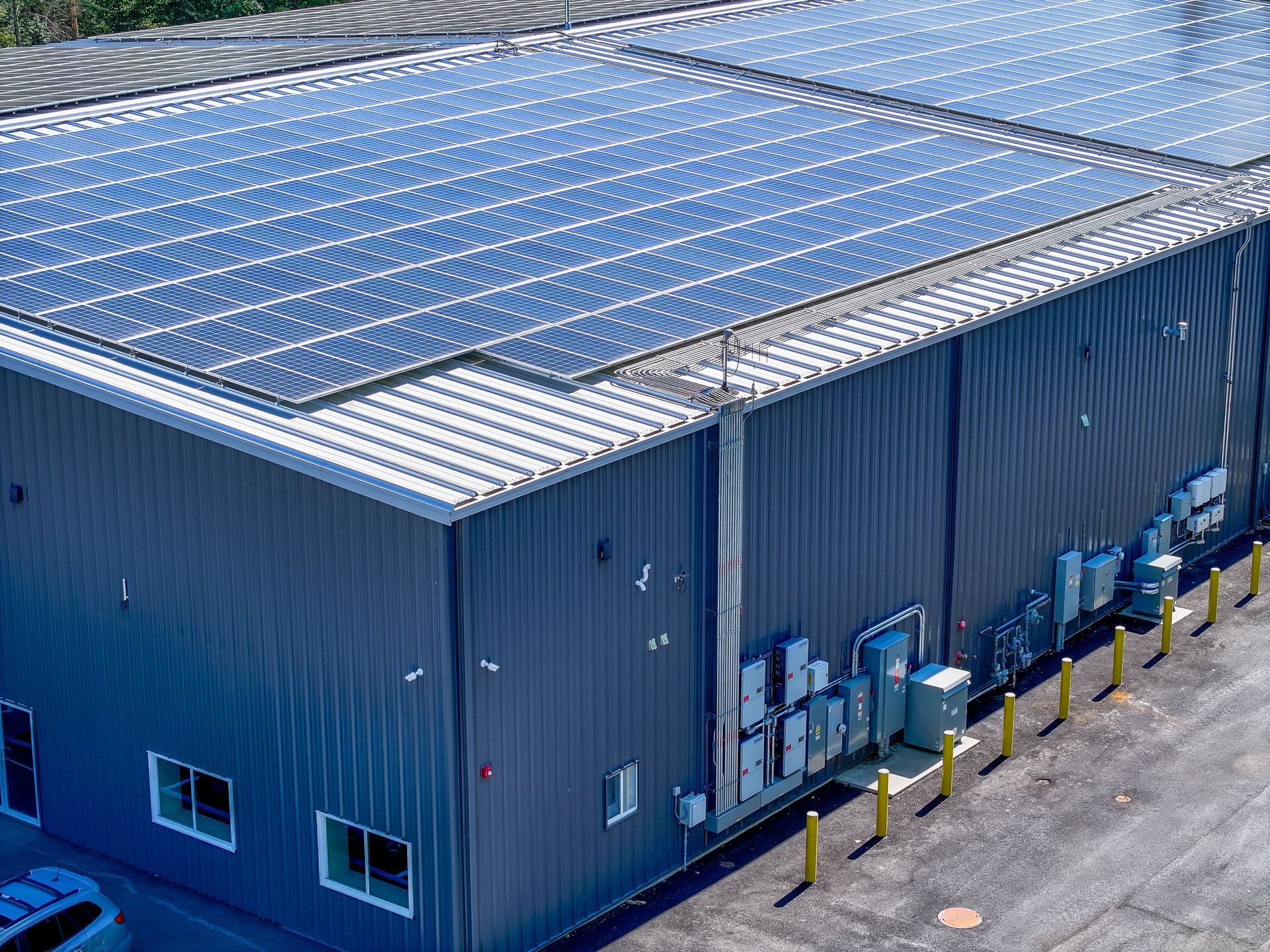
That's exactly the scenario a home battery system is built to handle. When a battery is paired with a solar array, your home isn't just protected from a single overnight outage — it can continue generating and storing its own power throughout an extended weather event, rather than draining a fixed reserve and eventually running dry the way a standalone backup battery would.
How Battery Storage Creates Everyday Energy Independence
While outage protection tends to be what gets homeowners' attention first, it's really only half the story. On a normal day, your solar system generates more energy than your home uses during peak sunlight hours. Without storage, that excess energy has nowhere to go except back to the grid, often at a lower credit rate than what you pay to draw power back at night. With a battery, that same excess energy gets stored on-site and used later — in the evening, overnight, or during peak-demand hours when grid electricity typically costs the most.
That shift is what actually reduces dependence on rising utility rates over time, rather than just offsetting them. It's also part of why we've seen such strong momentum behind battery adoption recently: substantial advancements in battery technology, combined with expanding state and federal incentives, have made pairing storage with solar more accessible and more financially sound than it's ever been.
Not Just for Homes: Business Continuity Matters Too
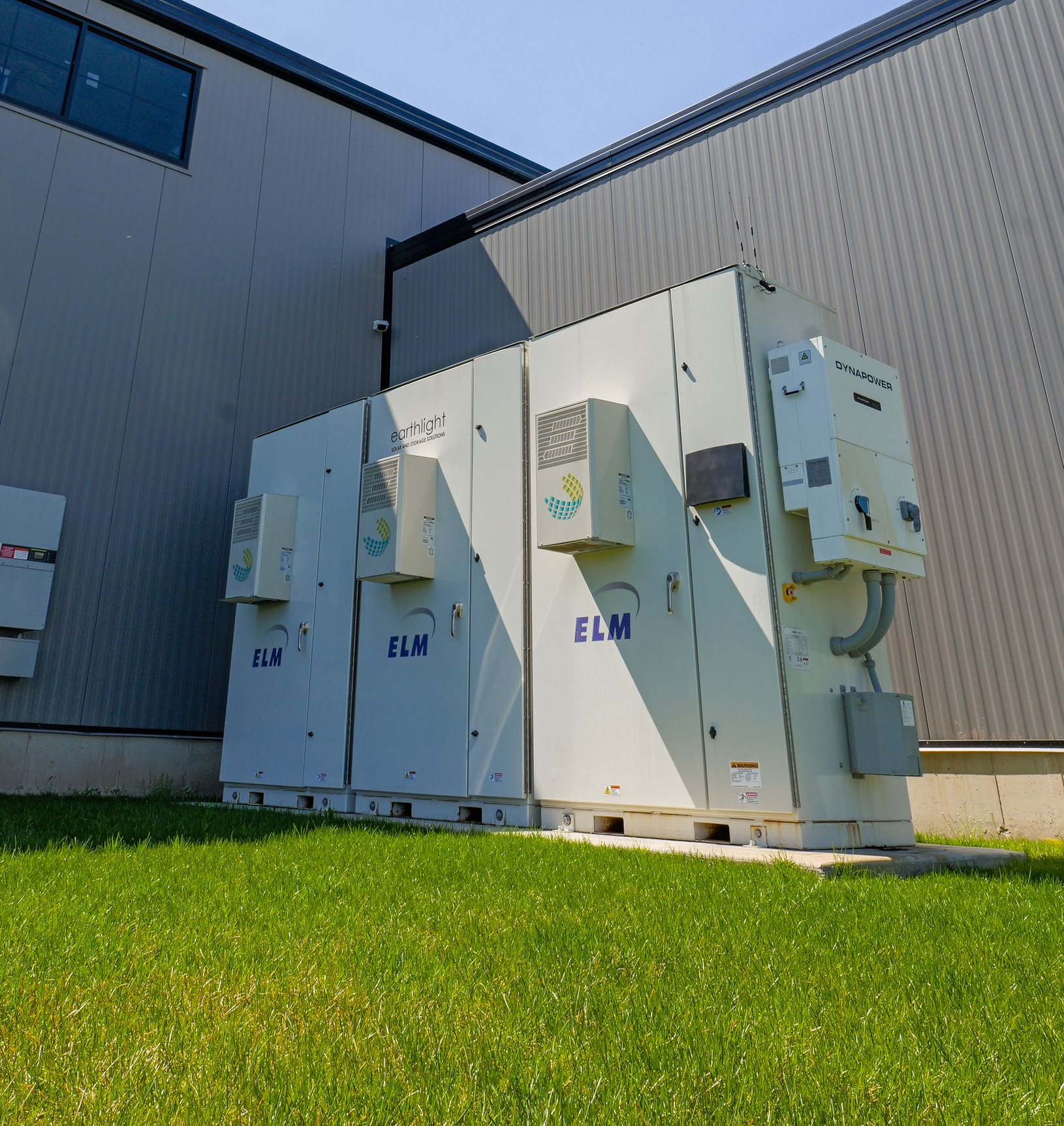
Winter outages don't discriminate between residential and commercial properties, and for businesses, downtime often carries a direct financial cost on top of the inconvenience. Refrigeration, security systems, point-of-sale equipment, and HVAC all depend on consistent power, and an extended outage can mean lost inventory, lost sales, or both. Earthlight's commercial battery storage solutions apply the same energy independence principle at a scale built for business operations.
Choosing the Right Battery Solution for Your Home
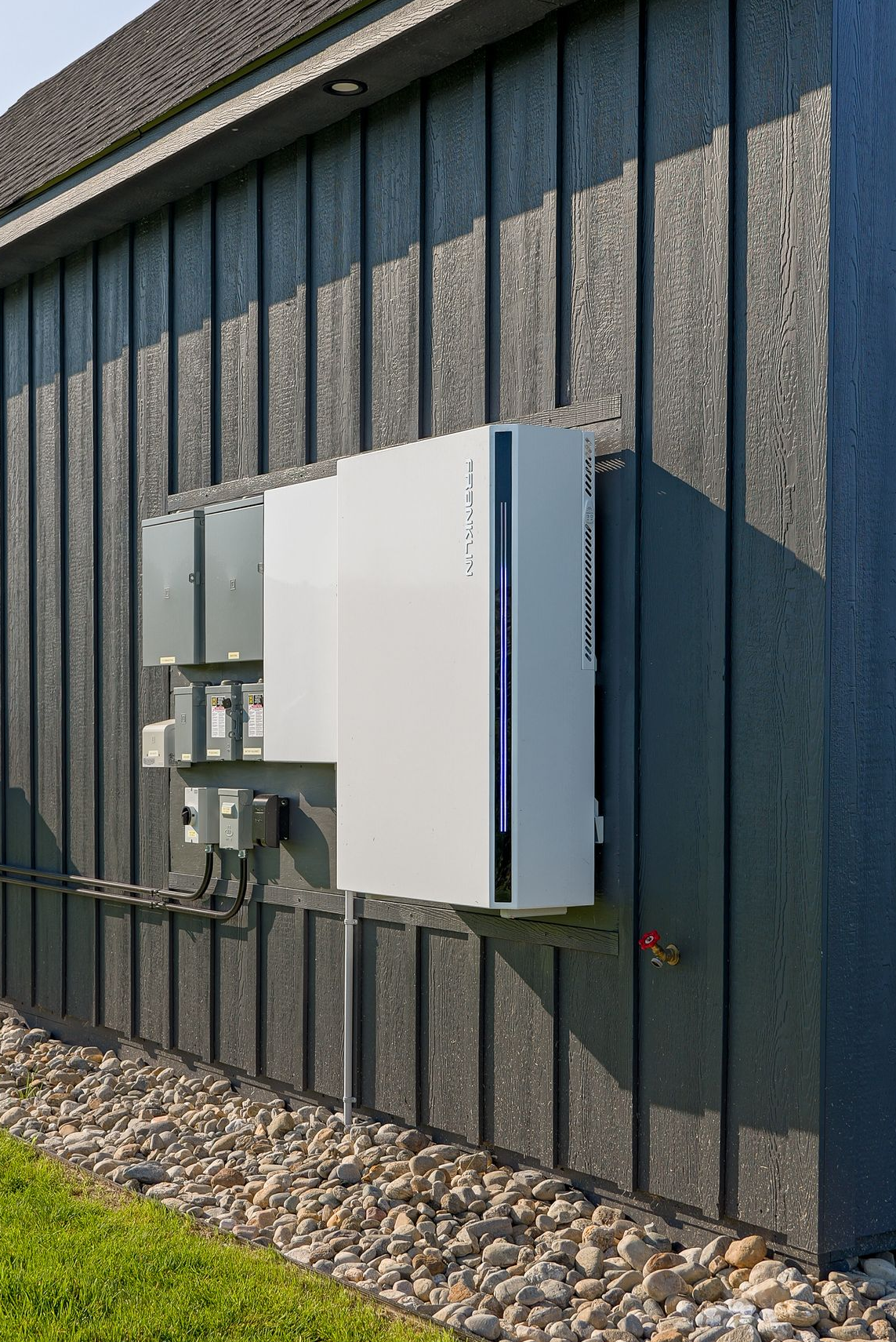
Earthlight installs and services both Tesla Powerwall and FranklinWH battery systems, giving homeowners options depending on their capacity needs, budget, and existing solar setup. Our residential battery storage team can walk you through which system fits your home, how many hours of backup you can expect during an outage, and how state and federal incentives apply to your specific situation.
Frequently Asked Questions
How long can a home battery power my house during a winter outage?
Runtime depends on your battery's capacity, how many appliances and systems you're running, and whether the battery is being recharged by solar during the event. Our team can model expected runtime for your specific home and energy usage before installation.
Does a battery still work if it's cloudy or snowing during an outage?
Yes. A charged battery discharges power to your home regardless of current weather conditions, since it's drawing from stored energy rather than real-time solar production. Cloud cover or snow only affects how quickly the battery recharges via solar once conditions improve.
Is battery storage worth it if I don't lose power often?
Outage protection is one benefit, but battery storage also lets you store excess solar energy for use during evening and peak-demand hours, which can meaningfully reduce your utility costs even in areas with reliable grid service.
What's the difference between Tesla Powerwall and FranklinWH?
Both are high-quality battery systems with different capacity options, pricing, and features. Our team compares both directly against your home's energy usage and solar system to recommend the option that fits best.
Can businesses benefit from battery storage the same way homes do?
Yes. Commercial properties face the same outage risks as homes, often with higher financial stakes tied to downtime, making battery storage a practical investment for maintaining continuity during grid disruptions.
Don't Wait for the Next Storm to Take Action
Winter weather isn't getting more predictable, but your home's power supply can be. Contact one of our energy experts today to find the battery solution that fits your home or business and start your journey toward real energy independence.